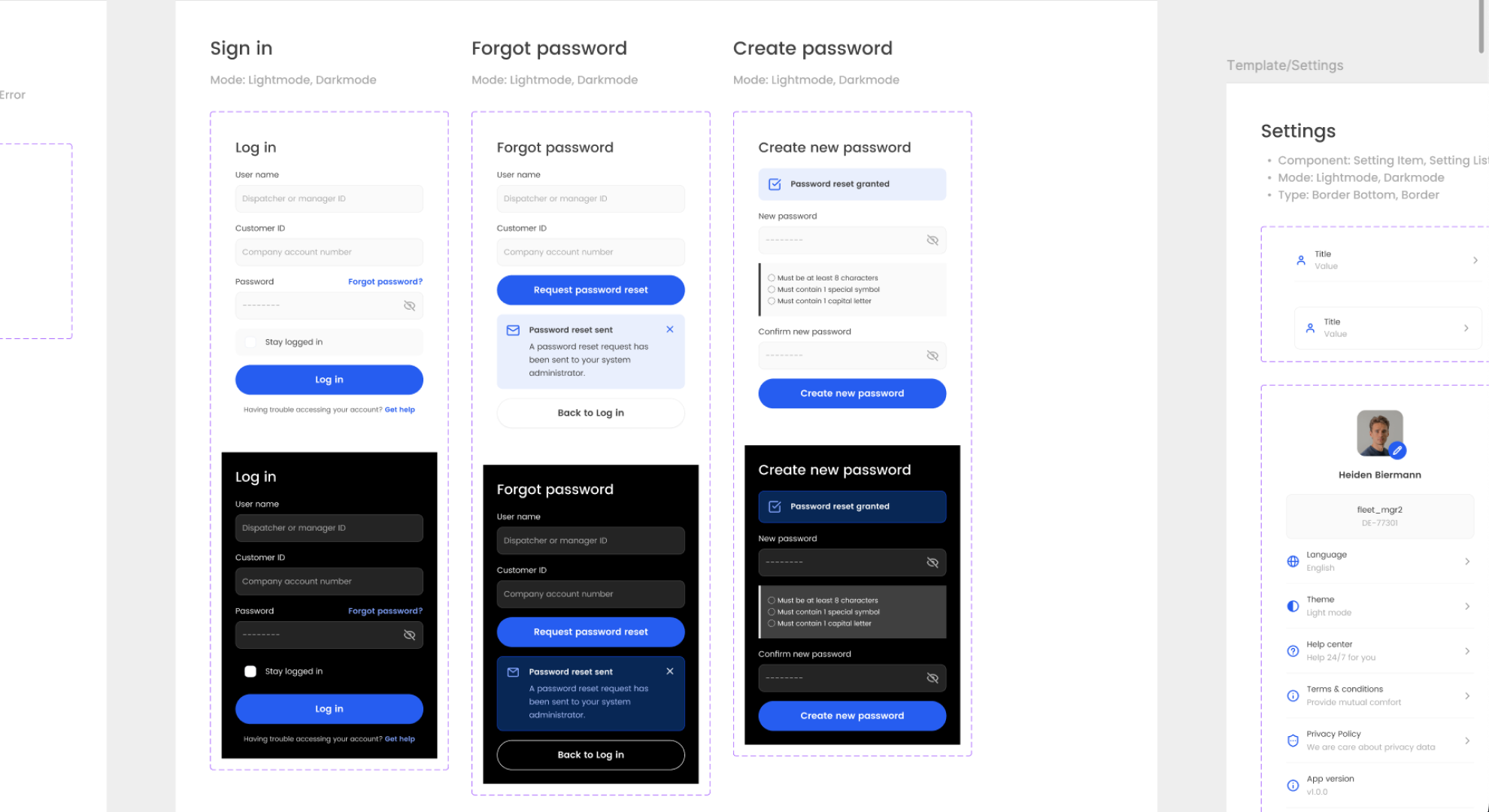
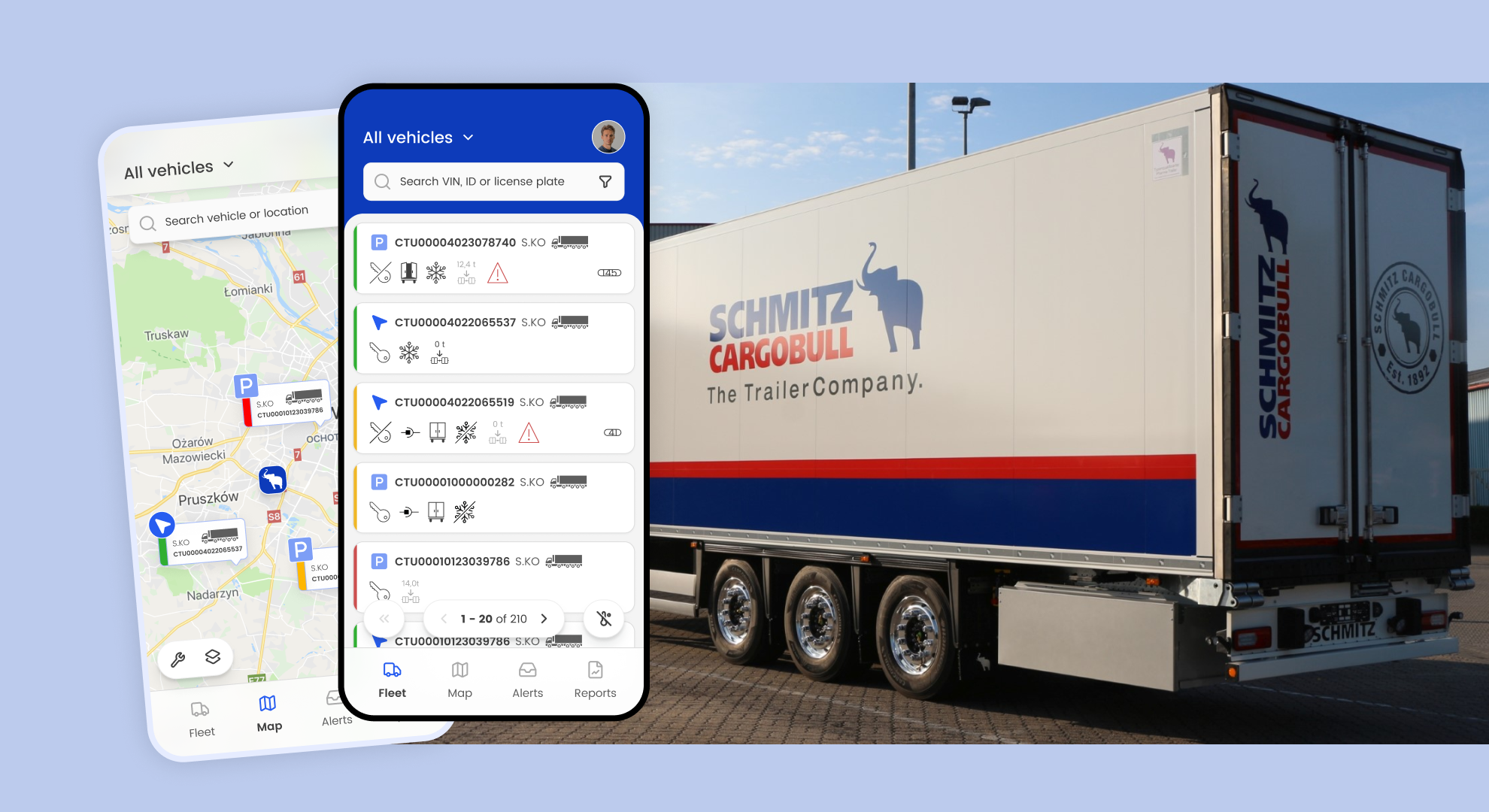
Translating complex vehicle telematics into an intuitive mobile platform for Europe's leading trailer manufacturer
CHALLENGE
MY TASK
Lead the end-to-end product design (iOS & Android) for a new mobile telematics assistant. My goal was to partner with Product and Engineering to translate massive amounts of live vehicle data into a simplified, task-critical mobile workflow that drivers and operators could rely on in fast-paced, field environments.
TASK TIMEFRAME
10-week MVP delivery (followed by 15 months of continuous feature scaling & dev support)
KEY FOCUS AREAS
- Native mobile UX/UI design (iOS HIG & Android Material)
- Translating massive telematics datasets into intuitive, low-cognitive-load interfaces
- Cross-functional collaboration (PMs, BAs, and Swift/Kotlin developers)
- Resourceful usability testing and friction analysis
- Design system utilization and scalable engineering handoff
KEY RESULTS
- Achieved a 5-star rating on both App Store & Google Play (1,828 downloads in first 8 months)
- Improved incident response efficiency by ~50% through real-time mobile notifications
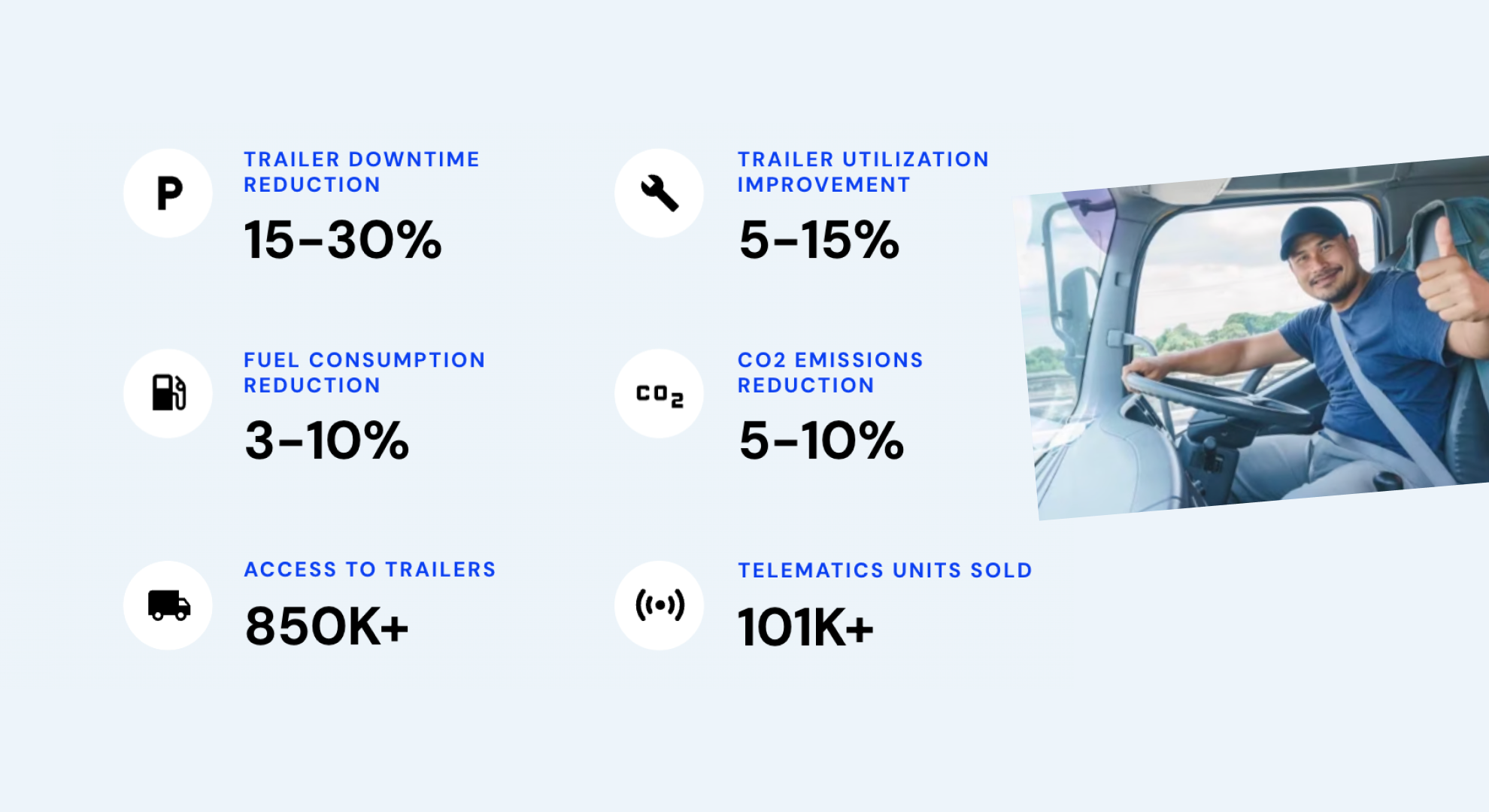
- Reduced trailer downtime by 15-30% and fuel consumption by 3-10%
- Successfully adopted across 100,000+ telematics units processing live vehicle data
OVERVIEW OF MY DESIGN PROCESS
Step 1 - Empathizing with drivers and fleet operators:
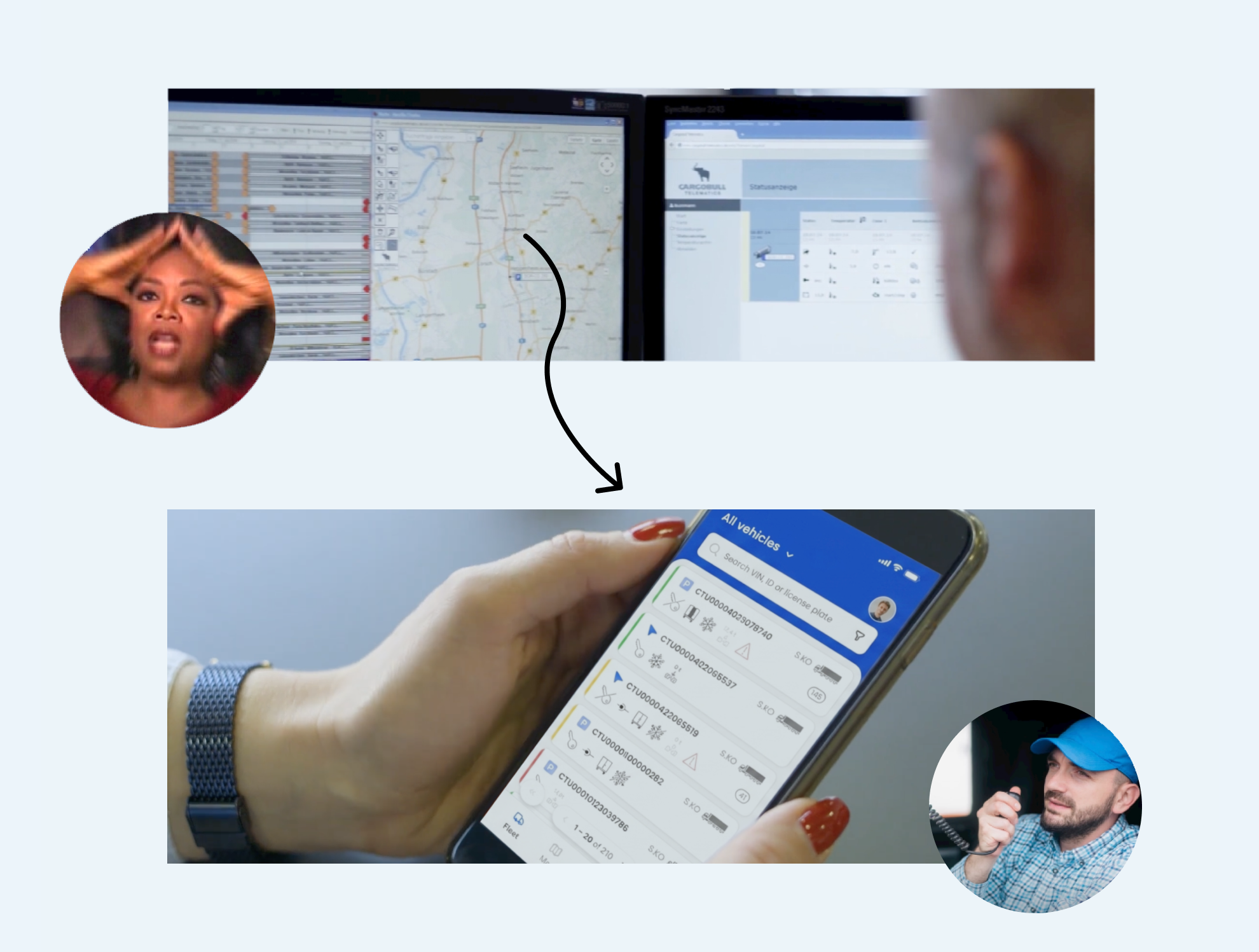
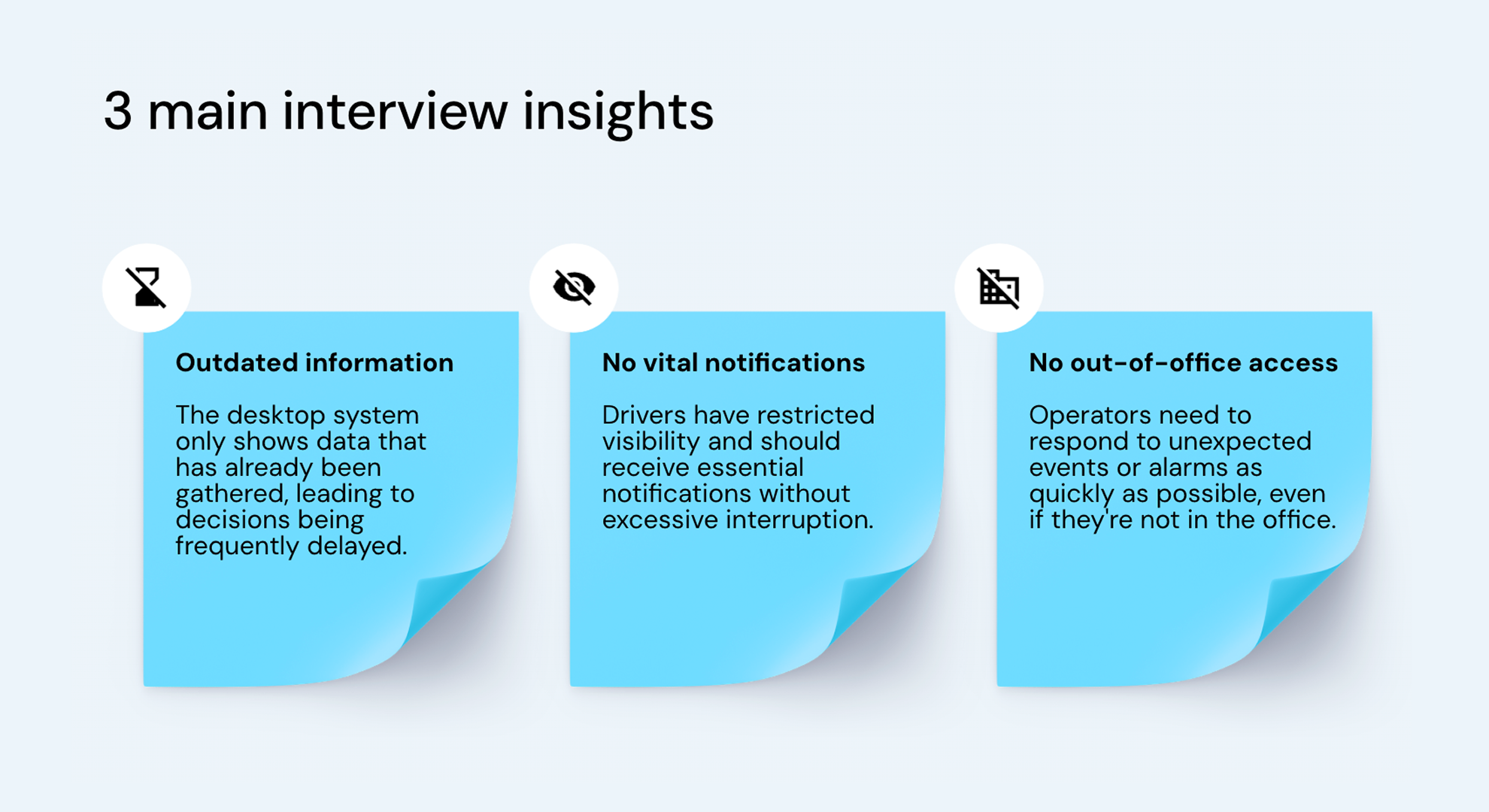
I analyzed the current desktop platform and interviewed the client's fleet coordinators. We uncovered 3 core insights: the existing data was too slow to access, operators lacked out-of-office visibility, and drivers needed vital safety/status notifications without excessive interruption while on the road.
Step 2 - Information architecture & rapid ideation:
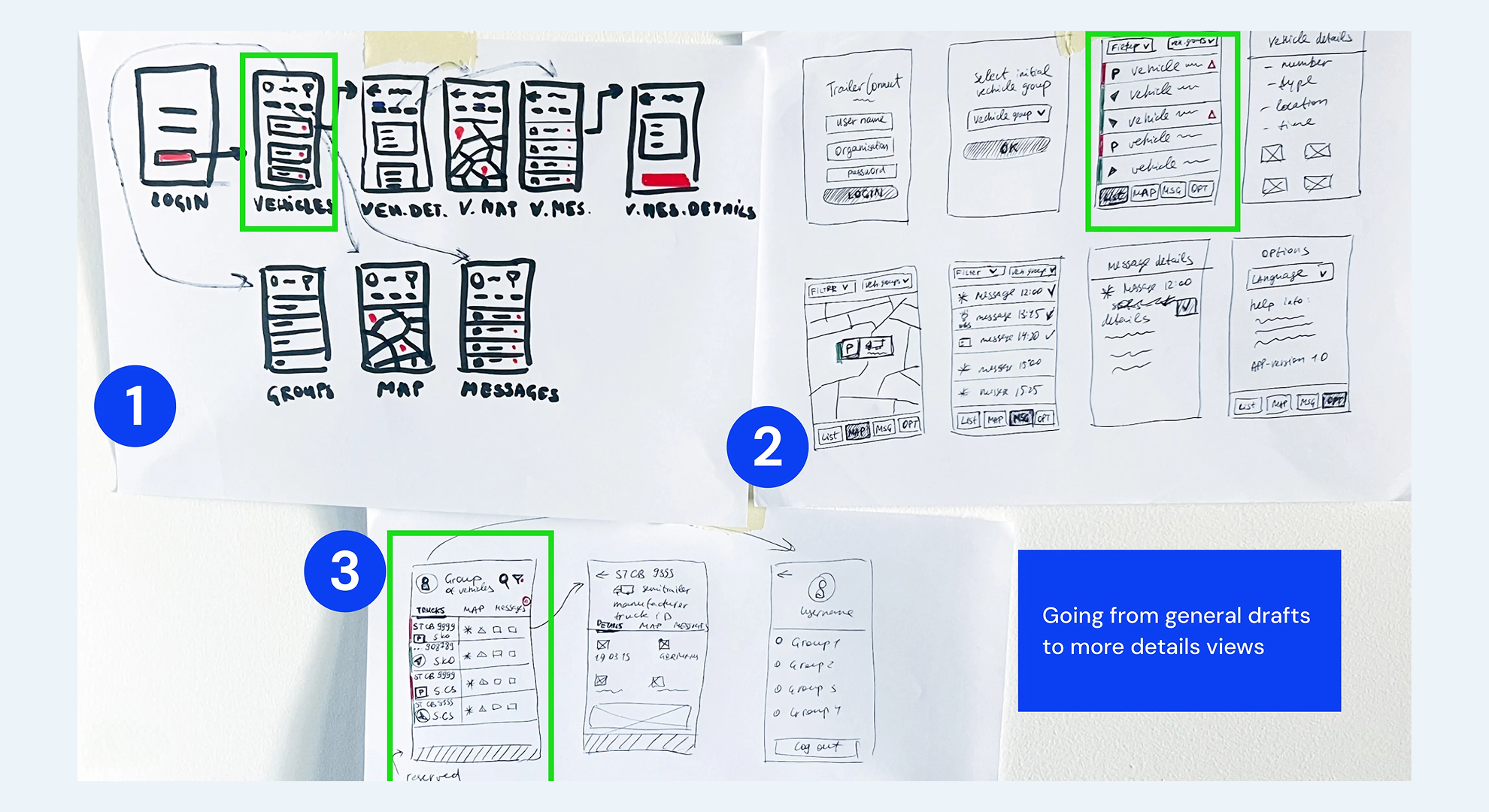
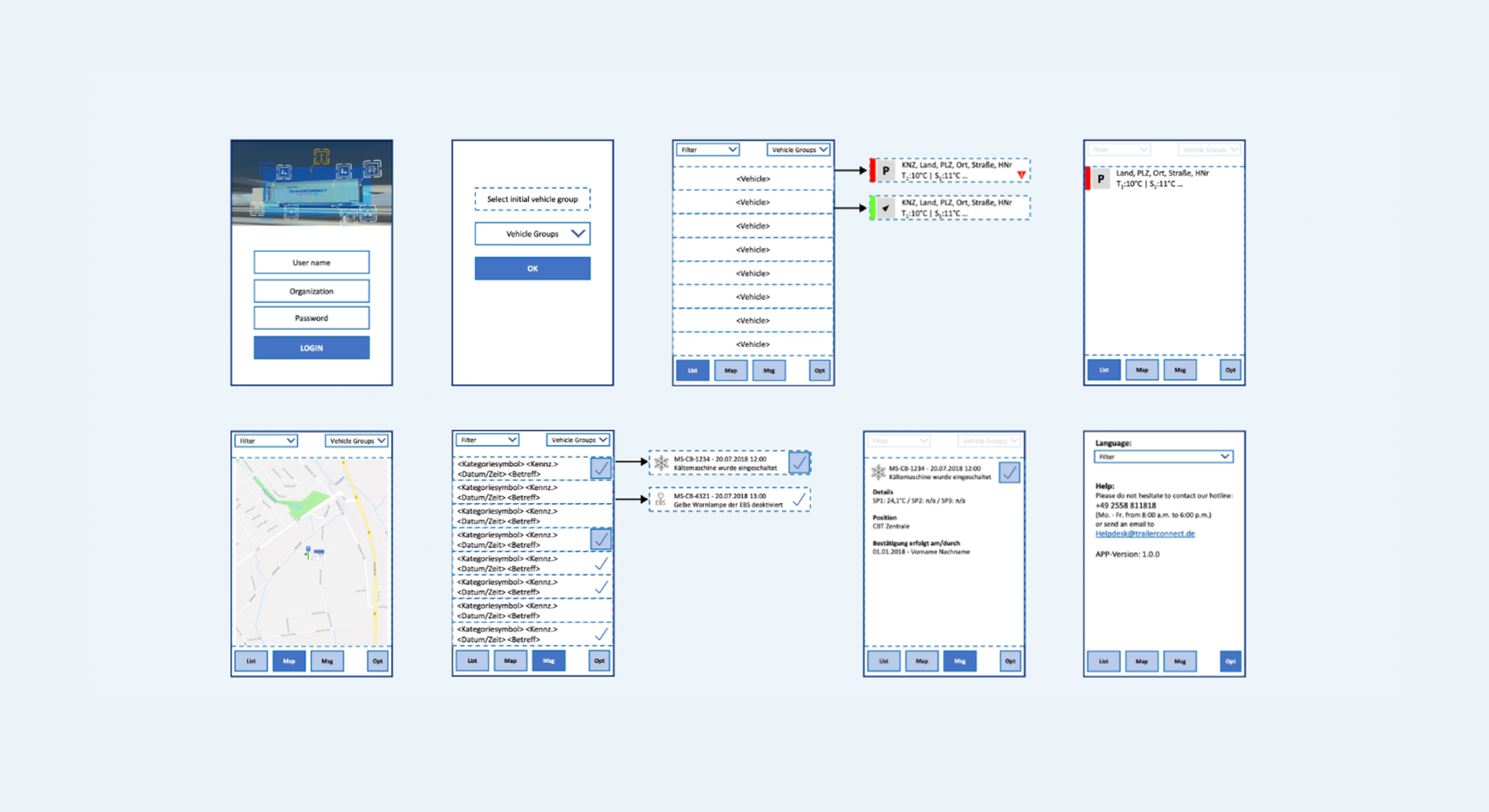
I facilitated the transition from a complex, data-heavy desktop view to a focused mobile architecture. I created low-fidelity wireframes mapped to specific user goals: real-time trailer status, on-the-go control actions, and vital safety alerts.
Step 3 - High-fidelity prototyping for native platforms:
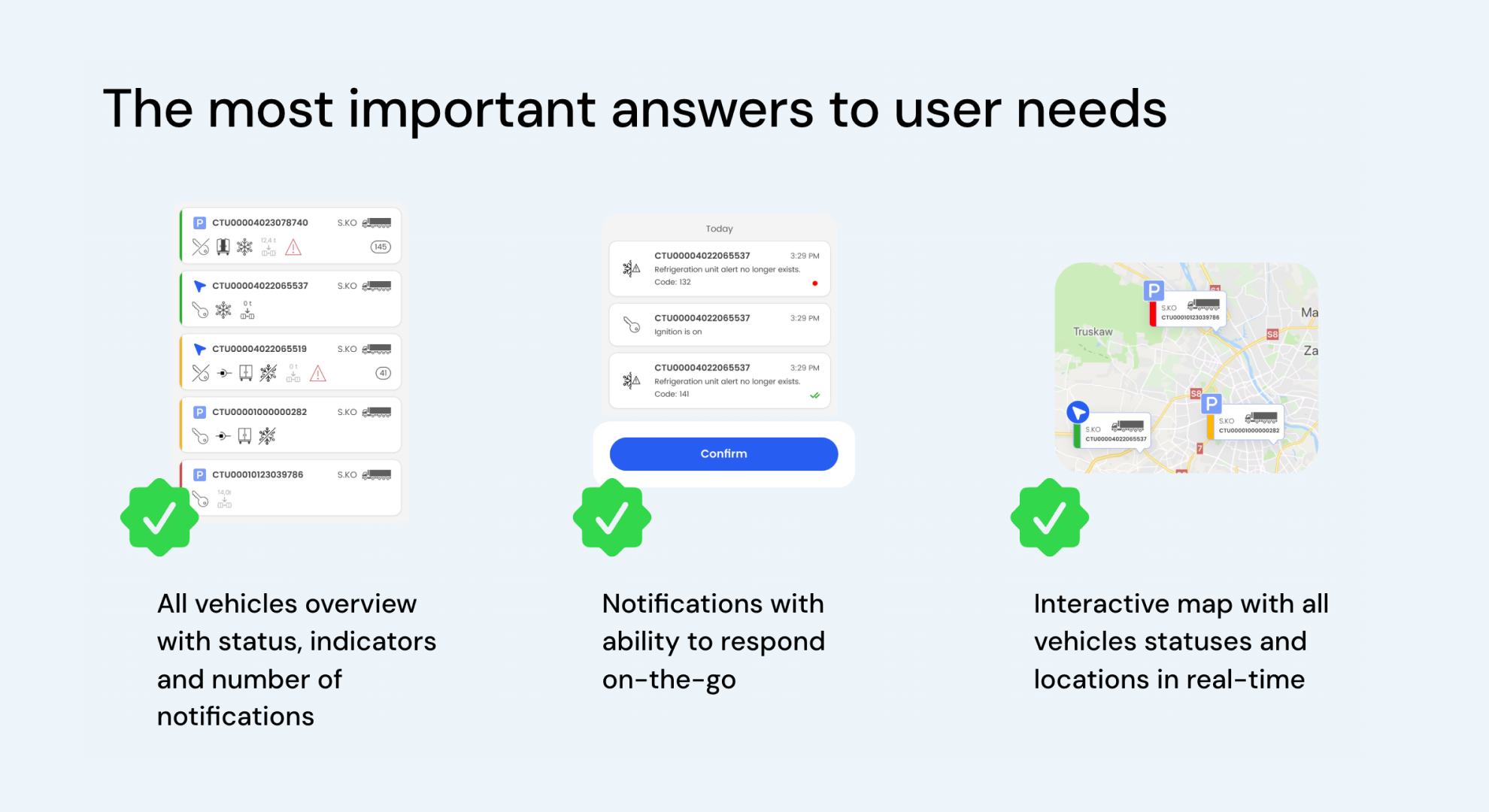
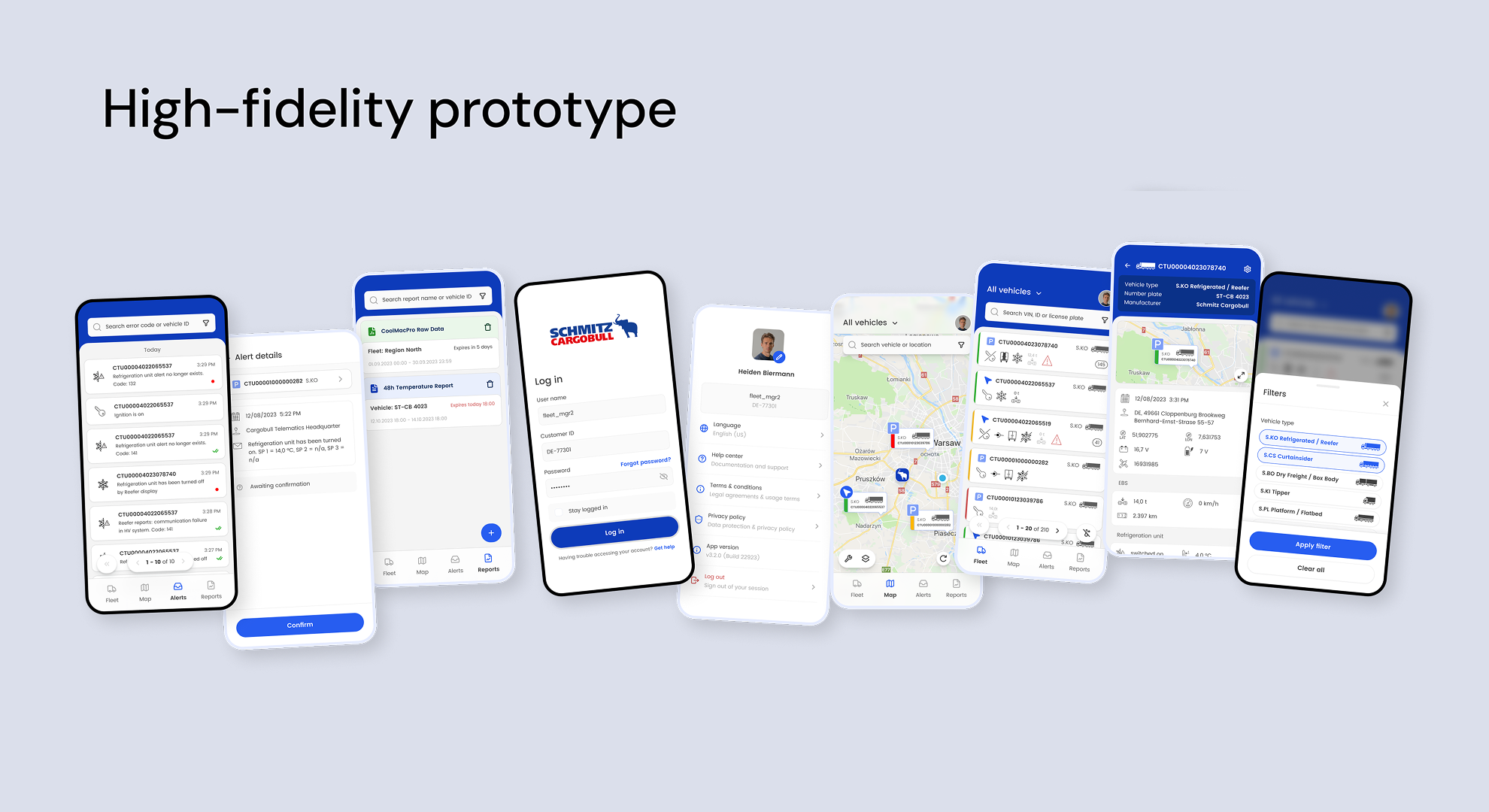
I designed parallel experiences for native iOS and Android. A core focus was simplifying the cognitive load - ensuring that complex telematics (like multi-zone temperature monitoring and engine diagnostics) were scannable at a glance. I built interactive prototypes to align C-suite stakeholders and the product team.
Step 4 - Resourceful "corridor" usability testing:
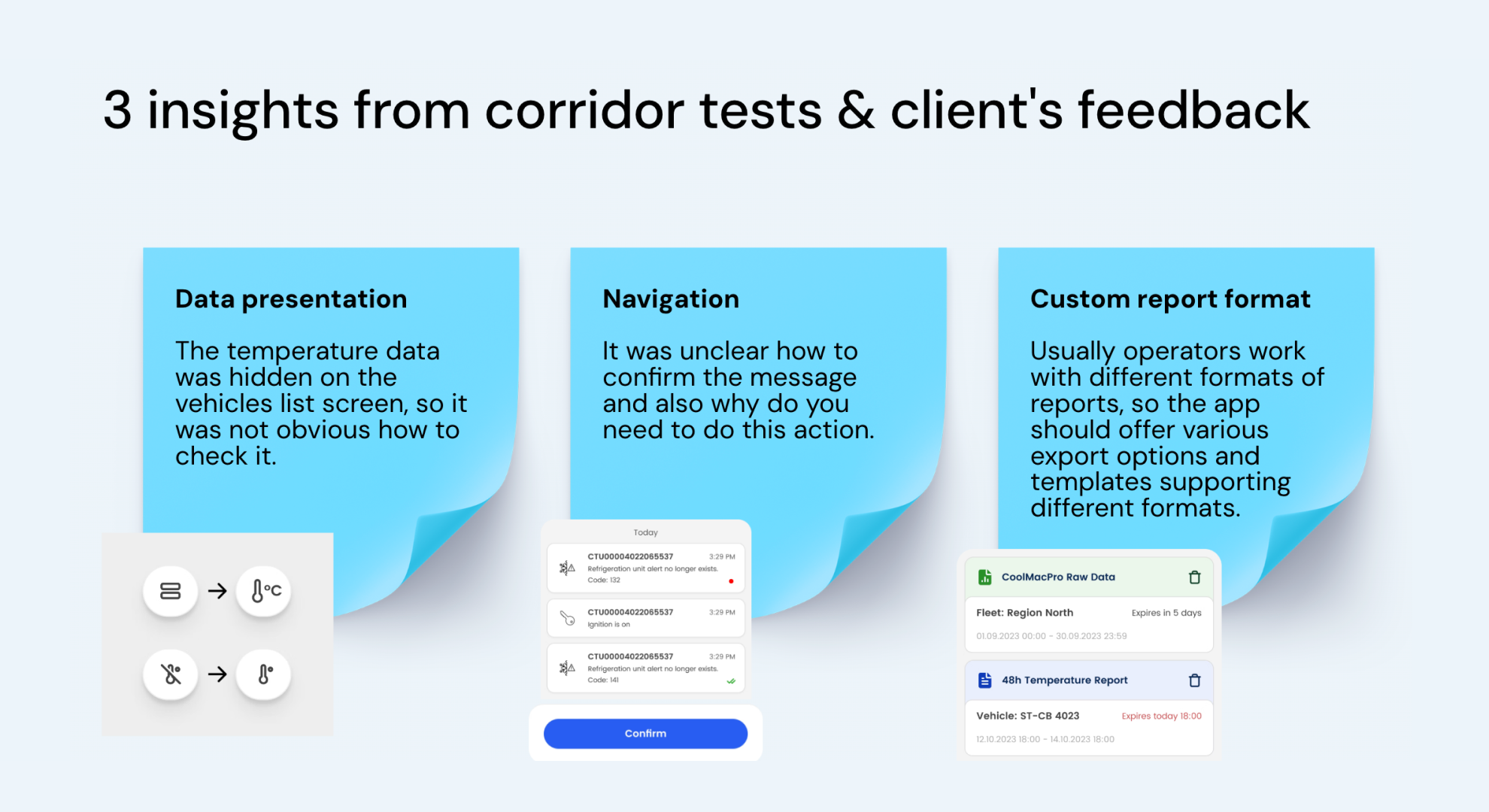
Operating without a dedicated budget for external user testing, I embraced a "deliver with urgency" mindset. I conducted guerilla corridor tests with internal employees unfamiliar with the project. This friction analysis revealed a critical flaw: vital temperature data was hidden behind clicks. I immediately redesigned the list view to surface this telematics data upfront, vastly improving scannability.
Step 5 - Deep engineering collaboration & agile handoff:
To ensure we hit our aggressive 10-week MVP launch, I worked in tight daily syncs with the iOS and Android developers. I utilized a scalable design system and Zeplin for seamless handoff, ensuring components aligned with native Swift and Kotlin capabilities without compromising the user experience.